Description
We are all parties to a social contract and obligated under it. Or is this mere fiction? How is such an agreement possible in a society riven by deep moral disagreement? William Edmundson explains the social-contract tradition from its beginnings in the English Revolution, through Hobbes, Locke, and Rousseau to its culmination in the work of John Rawls. The idea that legitimate government rests on the consent of free equals took shape in the seventeenth century and was developed in the eighteenth but fell into disuse in the nineteenth century even as democracy, toleration, and limited government gained ground. Edmundson shows how Rawls revived the idea of a social contract in the mid-twentieth century to secure these gains, as the then-dominant moral theories, such as utilitarianism, could not. The book also defends Rawls's conviction that political equality is integral to the idea of reciprocity at the heart of the tradition.
Table of Contents
1. The debates at Putney; 2. Thomas hobbes, born with fear; 3. Hobbes, from war to leviathan; 4. Hobbes, toleration, stability, government; 5. John locke, (semi-)tolerance and no tyrants; 6. Locke, property and natural right; 7. Locke, rule of law, limited government; 8. Hume's critique; 9. Rousseau and inequality; 10. Rousseau, contract, and the general will; 11. More revolutions, chartism, and the ascent of utilitarianism; 12. John rawls, social-contract revivalist; 13. Rawls, the choice situation; 14. Rawls's (Revised) arguments; 15. The case for political equality; 16. Social-contract fragmentation; Conclusion: has contract discourse helped?; Bibliography; Index.

-
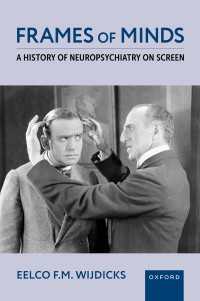
- 洋書電子書籍
-
映画上の精神医学の歴史
Fram…
-
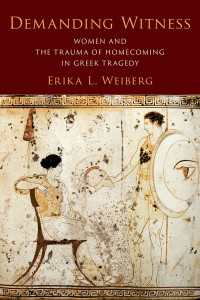
- 洋書電子書籍
- Demanding Witness :…