
- ホーム
- > 洋書
- > ドイツ書
- > Humanities, Arts & Music
- > Music
- > musical equipment
Description
_with marked and unmarked string part After the great success of his Élégie (HN 563), Fauré's publisher Hamelle urged him to write another, similarly effective piece for cello and piano. Papillon was probably already composed in 1884, though it was only published in 1898. Whereas Fauré just wanted to call it "Piece for violoncello", his publisher insisted on a more evocative title, and ultimately succeeded in giving it its present name (meaning "butterfly"). But Fauré is said to have been indignant, remarking: "Butterfly or dung fly - use whatever you want". The success of the work proved Hamelle right - Papillon is today just as popular with cellists as the Élegie, and is now available as a Henle Urtext edition. Papillon op. 77

-

- 電子書籍
- おじさん、この気持ちは何?【タテヨミ】…
-

- 電子書籍
- 便利屋斎藤さん、異世界に行く【タテスク…
-

- 電子書籍
- 【鉱物願望シリーズ】藍晶石砕いて食べた。
-
- 電子書籍
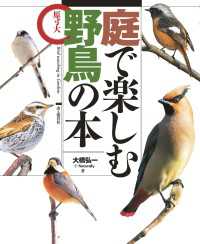
- 庭で楽しむ野鳥の本 山と溪谷社
-

- 電子書籍
- ドラゴンクエスト 蒼天のソウラ 9 ジ…



