
Description
Forget complex GDP reports. The most accurate snapshot of a nation's financial health is hidden inside the price of a double cheeseburger. In 1986, The Economist magazine introduced a lighthearted tool to evaluate whether international currencies were at their "correct" level. They chose a universal product manufactured to exact, identical standards in over one hundred countries: the McDonald's Big Mac.What began as a journalistic joke evolved into a highly respected and bizarrely accurate macroeconomic metric. The Big Mac Index bypasses complex government data, stripping the global economy down to the basic cost of buns, beef, and labor. By comparing the price of this specific burger in Tokyo, Zurich, and Buenos Aires against the US dollar, economists can instantly identify grossly manipulated currencies, looming inflation, and the true purchasing power of the middle class.This comprehensive analysis demystifies the complex world of foreign exchange through the lens of fast-food logistics. It uncovers how currency arbitrage works, why governments fear this simple burger metric, and what the fluctuating price of a meal reveals about the shifting tides of global wealth.Master the fundamentals of macroeconomics without the academic jargon. This book will change the way you look at a menu and fundamentally alter how you understand global money.


-

- 洋書電子書籍
- Project Communicati…
-
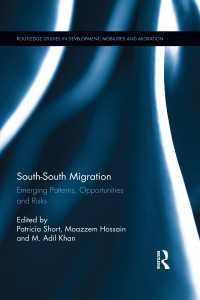
- 洋書電子書籍
-
途上国間の移住
South-So…
-
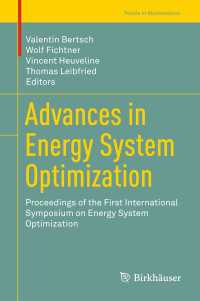
- 洋書電子書籍
- Advances in Energy …
-
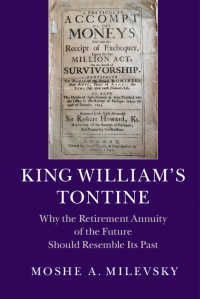
- 洋書電子書籍
- King William's Tont…



