- ホーム
- > 洋書
- > 英文書
- > Architecture
Full Description
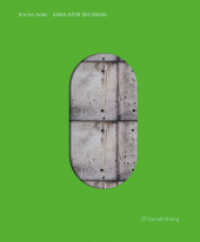
Fun Mill. The Architecture of Creative Industry in Contemporary China looks closely on transforming existing real estate by promoting creative clusters, starting with specific architectures that are examined using an open-minded approach. What are the economic, political and design mechanisms used to build and legitimise them? What city concept is designed and built in these spaces? Can we identify recurrent features, general issues, and compositional orders and logic? The book discusses creative clusters as fertile ground for research and action involving the architectural and urban project and outlines several distinctive traits of professional and design practices in China in the last decade. In particular, the book focus on three recurrent methods used by architectural projects to reconfigure space — Collecting icons, Shifting scale, Bounding borders. These intervention methods were identified from a range of design experiences, richly illustrated with detailed drawings and photographs, including before and after views of the renovated spaces.
This book looks closely on these spaces, starting with specific architectures and using an open-minded approach. How can we interpret them? What are the economic, political and design mechanisms used to build and legitimise them? What city concept is designed and built in these spaces? Can we identify recurrent features, general issues, and compositional orders and logic? To answer these questions this study directly examines several architectures, considering them not only as documents worthy of an in-depth study due to their importance as an architectural artifact, but also as 'footprints' to assist in the comprehension of the broader political ambitions and cultural and socio-economic transformations that are shaping and transforming physical space by imbuing it with new uses and meanings. This viewpoint is an opportunity to narrate places, projects and processes within the framework of change: when creative clusters are scrutinised, they look like physical objects with certain distinctive albeit interesting and complex features; however, when queried regarding their symbolic, economic, social and political role their inertia weakens and the ensuing questions and problems go beyond the objects themselves, their present state, and location.