Full Description
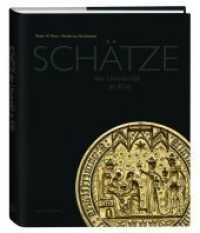
Ground-breaking study of the enigmatic and unique tabernacles from fourteenth-century Italy, which for the first time combined relics and images.
Images and relics were central tools in the process of devotional practice in medieval Europe. The reliquary tabernacles that emerged in the 1340s, in the area of Central Italy surrounding the city of Siena, combined images and relics, presented visibly together, within painted and decorated wooden frames. In these tabernacles the various media and materials worked together to create a powerful and captivating ensemble, usable in several contexts, both in procession and static, as the centre of focussed, prayerful attention.
This book looks at Siena and Central Italy as environments of artistic invention, and at Sienese painters in particular as experts in experimentation whose ingenuity encouraged the development of this new form of devotional technology. It is the first full-length study to focus in depth on the materiality of these tabernacles, investigating the connotations and effects of the materials from which they were made. It examines especially the effect of bringing relics and images together, and considers how the impressions of variety and abundance created by the multiplication of materials give birth to meaning and encourage certain kinds of action or thought.
Contents
Introduction: The Matter in the Margins
Relics, Reliquaries, and Images
The Earliest Examples
Context
New Iconographies
Relics and Other Matter
Abundance and Ensemble, Varietas and Bricolage
Transformation and Potential
Appendix
Bibliography
Acknowledgements