
- ホーム
- > 洋書
- > 英文書
- > Politics / International Relations
基本説明
Documents the process of rising inequality in urban China during the last two decades of the twentieth century. Explores the underlying structural forces that define China's emerging social landscape.
Full Description
In the last two decades of the twentieth century, following the worldwide collapse of communism, China ascended from being one of the most egalitarian societies in the world to one of the more unequal. Wang Feng documents the process of rising inequality in urban China during this period, and explores the underlying structural forces that define China's emerging social landscape.
By treating social categories created under socialism, such as cities and work organizations, as explicit forces generating inequality, the author reveals a pattern that embodies both enlarging inequality between social categories and persistent equality within them. This pattern is traced to China's post-socialist political economy and to a long-existing cultural tradition that places a premium on harmony and group solidarity. China's great reversal from equality to inequality is a powerful example of how social categories, not individual traits and preferences, structure and maintain inequality.
Contents
CONTENTS Tables and Figures ix Preface xi INTRODUCTION CHAPTER ONE From Equality to Inequality 000 CHAPTER TWO Categorical Sources of Inequality 000 TRENDS AND PATTERNS CHAPTER THREE Prosperity and Inequality 000 CHAPTER FOUR Enlarging Inequality: Categories 000 EXPLANATIONS CHAPTER FIVE Maintaining Equality: Boundaries 000 CHAPTER SIX Varieties of Inequality 000 Appendix 000 Notes 000 References 000 Index 000

-

- 電子書籍
- 俺の武器は最弱だけどレベルアップするら…
-

- 電子書籍
- 死刑囚、魔法学校にて教鞭を振るう 【分…
-

- 電子書籍
- スペイン式プロポーズ【分冊】 7巻 ハ…
-

- 電子書籍
- 将軍閣下の異世界らぶらぶ婚姻奇譚 下【…
-
- 電子書籍
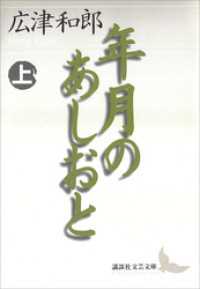
- 年月のあしおと(上) 講談社文芸文庫



