- ホーム
- > 洋書
- > 英文書
- > Literary Criticism
Full Description
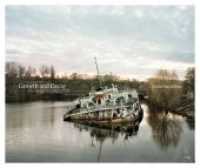
Why, at a time when the majority of us no longer believe in ghosts, demons or the occult, does Gothic continue to have such a strong grasp upon literature, cinema and popular culture? This book answers the question by exploring some of the ways in which we have applied Gothic tropes to our everyday fears. The book opens with The Turn of the Screw, a text dealing in the dangers adults pose to children whilst simultaneously questioning the assumed innocence of all children. Staying with the domestic arena, it explores the various manifestations undertaken by the haunted house during the twentieth century, from the bombed-out spaces of the blitz ('The Demon Lover' and The Night Watch) to the designer bathrooms of wealthy American suburbia (What Lies Beneath). The monsters that emerge through the uncanny surfaces of the Gothic can also be terror monsters, and after a discussion of terrorism and atrocity in relation to burial alive, the book examines the relationship between the human and the inhuman through the role of the beast monster as manifestation of the evil that resides in our midst (The Hound of the Baskervilles and The Birds). It is with the dangers of the body that the Gothic has been most closely associated and, during the later twentieth century, paranoia attaches itself to skeletal forms and ghosts in the wake of the HIV/AIDS crisis. Sexuality and/as disease is one of the themes of Patrick McGrath's work (Dr Haggard's Disease and 'The Angel') and the issue of skeletons in the closet is also explored through Henry James's 'The Jolly Corner'. However, sexuality is also one of the most liberating aspects of Gothic narratives. After a brief discussion of camp humour in British television drama series Jekyll, the book concludes with a discussion of the apparitional lesbian through the work of Sarah Waters.
Contents
Introduction The Gothic Attraction and/of the Counterfeit Gothic Culture and the Marketplace Chapter One - Gothic Pathologies: Haunted Children Child Murder and the Media Storm Fairy Stories and 'Burial Alive': A.S. Byatt and Graham Joyce Photographing Fairies: Framing the Dead Death and the Dolls' House: FairyTale: A True Story and M.R. James Chapter Two - Building Suspense: Architectural Gothic Haunted Geometries I: Kipling, 'Swept and Garnished' Haunted Geometries II: Eco, The Name of the Rose Suburban and Rural Monstrosity: Clive Barker and Iain Banks London Gothic: Elizabeth Bowen and Sarah Waters Designer Bathtubs and Drowning in Air: What Lies Beneath Chapter Three - Gothic Inhumanity Bestiality and the Gothic: Sir Arthur Conan Doyle and Leonora Carrington Vampires and Bloodfests: Leonora Carrington and Clive Barker Monster Birds - Du Maurier and Hitchcock 'Daddy's Home!': Jekyll Chapter Four - Queering the Gothic Jolly Queer - Henry James The Apparitional Lesbian: Sarah Waters AIDS/HIV and the Gothicising of Male Homosexuality: Patrick McGrath Chapter Five - Survey of Criticism Chapter Six - Conclusion: Thriller and Stranger