
- ホーム
- > 電子洋書
Description
This book examines how generative artificial intelligence is transforming the field of TESOL and second language education. It introduces the core principles of generative AI and explores its potential to reshape language teaching, learning, and assessment. Early chapters trace the historical development of TESOL theories and methodologies, showing how AI connects with evolving pedagogical approaches. Subsequent sections analyse current applications of AI-driven tools such as virtual tutors, language learning platforms, and automated assessment systems. Drawing on case studies and research, the book highlights best practices for educators and institutions seeking to integrate AI effectively and responsibly. Amongst other issues, key themes include ethics, privacy, bias, equity, and the future of teacher roles in AI-enhanced classrooms. Accessible and evidence-based, this book offers essential insights for educators, researchers, and policymakers interested in language education, AI integration, and applied linguistics.
Table of Contents
Chapter 1: Introduction.- Chapter 2: Background.- Chapter 3: The Current State of AI in TESOL.- Chapter 4: AI Tools for Language Skills Development.- Chapter 5: Ethical Considerations.- Chapter 6: Language Teacher Education in the Age of AI.- Chapter 7: Future Trends and Innovations in AI for Language Learning.- Chapter 8: Conclusion and Key Takeaways for TESOL.

-
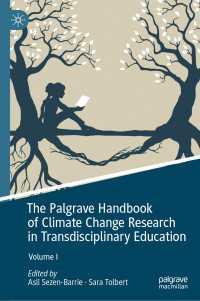
- 洋書電子書籍
- 脱領域的教育における気候変動研究ハンド…
-
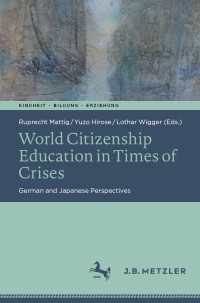
- 洋書電子書籍
- 危機の時代の世界市民教育:日本とドイツ…
-
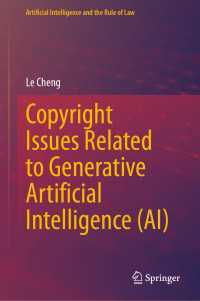
- 洋書電子書籍
-
生成AIに関連する著作権の問題
…
-
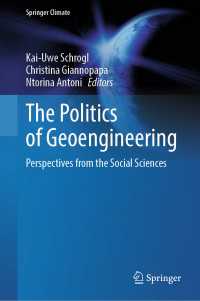
- 洋書電子書籍
-
気候工学の政治学:社会科学的視座
-

- 洋書電子書籍
-
英国における住宅供給と政策
Ho…



