
Description
This book is a study of the relationship between revolution and terror. Historically many have claimed that revolution inevitably devolves into terror, best reflected in the way in which after coming to power the revolutionary elite turns on itself, and one section of it uses terrorist means to eliminate another section. This thesis originally stemmed from the French revolution but has more recently also been applied to the Russian and the Chinese revolutions. GraemeGill argues that in order to understand the relationship between revolution and terror, it is necessary to distinguish between different types of terror. There are three such types: revolutionary terror, in which the aim is to destroy enemies and thereby consolidate the regime; transformationalterror, designed to drive the politico-socio-economic transformation of society that is the purpose of the 'great' revolutions; and inverted terror, which is when terror is turned against part of the elite and regime more broadly. The analysis explains how these different types of terror are related to the revolutionary seizure of power, showing that revolutionary and transformational terror are organically connected to revolution while for inverted terror the connection is mediated through theleader. The argument is prosecuted through detailed analysis of the French, Russian, and Chinese revolutions. The study ends by assessing the contemporary salience of the lessons of the great revolutions in the light of the low level of violence in the negotiated revolutions of 1989.

-

- 洋書電子書籍
- Noordsy食用動物外科学(第6版)…
-
- 洋書電子書籍
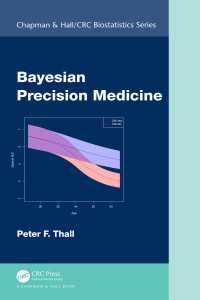
- Bayesian Precision …
-
- 洋書電子書籍
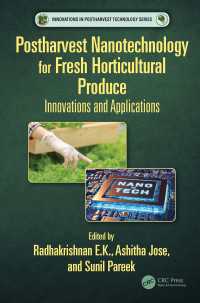
- 新鮮な園芸生産のための収穫後ナノ技術<…
-
- 洋書電子書籍
-
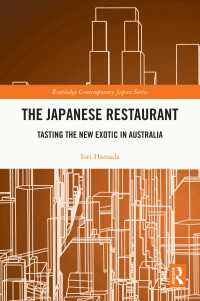
オーストラリアの日本食レストラン
-

- 洋書電子書籍
-
リーダーが知るべきデータの意味
…



