
Description
The monograph series Oxford Studies in Medieval Literature and Culture showcases the plurilingual and multicultural quality of medieval literature and actively seeks to promote research that not only focuses on the array of subjects medievalists now pursue—in literature, theology, and philosophy, in social, political, jurisprudential, and intellectual history, the history of art, and the history of science—but also that combines these subjectsproductively. It offers innovative studies on topics that may include, but are not limited to, manuscript and book history; languages and literatures of the global Middle Ages; race and the post-colonial; the digital humanities, media and performance; music; medicine; the history of affect and the emotions; theliterature and practices of devotion; the theory and history of gender and sexuality, ecocriticism and the environment; theories of aesthetics; medievalism.The Middle English Book addresses a series of questions about the copying and circulation of literature in late medieval England: How do we make sense of the variety of manuscripts surviving from this period? Who copied and disseminated these diverse manuscripts? Who read the literary texts that they transmit? And what was the relationship between those copying literature and those reading it? To answer these questions, this book examines 202 literary manuscripts from the period 1350to 1500. First, this study suggests that most surviving manuscripts fall into four categories, depending on the proximity and relationship of that manuscript's scribes and readers. But beyond proposing these new categories, this book also looks at the history of writing practices, and demonstrates the ubiquityof bureaucracies within late medieval England. As a result, The Middle English Book argues that literary production was a decentered affair, one that took place within these numerous, modest, yet complex, bureaucracies. But this book also argues that, because literary production arose in such scattered bureaucracies, manuscripts were local products, produced within the cultural and economic milieu of their users. Manuscripts thus form a fundamentally different sort of cultural artefactthan the printed books with which we are familiar—a form of centralized, urbanized, and commercialized textual production that was just over the historical horizon in late medieval England.

-
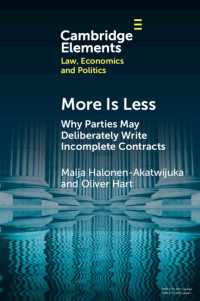
- 洋書電子書籍
- More is Less : Why …
-
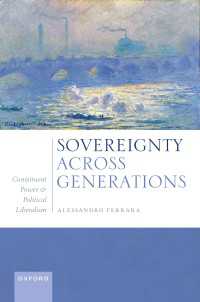
- 洋書電子書籍
- 世代を越える主権:憲法制定権と政治的リ…
-
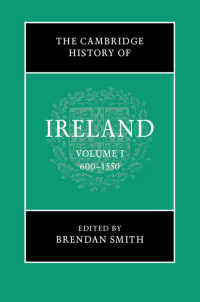
- 洋書電子書籍
- ケンブリッジ版 アイルランド史(全4巻…
-
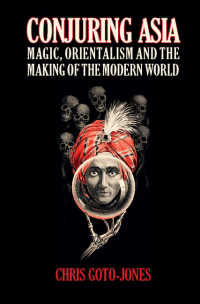
- 洋書電子書籍
-
魔術のアジア近現代史
Conju…
-

- 洋書電子書籍
-
ケンブリッジ版 文学にみる都市必携



