
- ホーム
- > 洋書
- > ドイツ書
- > Social Sciences, Jurisprudence & Economy
- > Politics, Society, Work
- > social science
Full Description
At a time of global environmental crises, authoritarian backlash, and deepening social inequalities, the question of how more just futures can be imagined - and practiced - has become even more urgent. M.A. Seewald explores how real spaces of possibility emerge in a lesbian-queer community on the Greek island of Lesvos, how these spaces sustain hope without idealisation, and why they remain fragile. Grounding utopia in power, space, and collective life, this original combination of sociological analysis, queer-feminist theory, and ethnographic perspectives sheds new light on the possibilities of feminist futures and the transformation of patriarchal societies. In short, what can the world learn from lesbian-queer utopias?

-

- 電子書籍
- 魔鬼【タテヨミ】第75話 恋々バニラ
-

- 電子書籍
- 拾ったのは狐の娘でした【タテヨミ】第4…
-

- 電子書籍
- テキサスのシンデレラ【分冊】 6巻 ハ…
-

- 電子書籍
- 浮浪雲(はぐれぐも)(51) ビッグコ…
-
- 洋書電子書籍
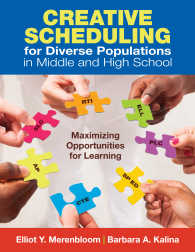
- Creative Scheduling…



